How Does Assisted Living Foster Friendship and Socialization for Seniors Feeling Isolated?
Friendship and socialisation are integrated into the fabric of daily life in assisted living. Therefore shared meals, common spaces, group outings, and community events making up the daily rhythm of an assisted living community naturally brings people together in ways that living alone does not. That built-in social structure can make all the difference in restoring warmth and companionship to an isolated senior.
Most people are unaware of the prevalence of isolation among older adults. The reason is that, initially, it may not appear to be loneliness. It’s a lot more subtle and can take the form of missing meals, decreased motivation, or a gradual withdrawal from previously enjoyable activities. If you or a loved one has been experiencing a quiet disconnect, understanding how assisted living fosters opportunities for genuine friendship can help put things into perspective.
Why is isolation so common in retirement?
Isolation in retirement is not instantaneous. It takes time to grow because life circumstances change in unpredictable ways.
Isolation grows from accumulating losses over time
Retirement frequently results in changes that limit your social circle. For instance, you could lose a spouse or a close friend. Neighbours you’ve known for decades may move away. Driving may become more difficult, isolating you from places and people that once occupied your time. Health issues make it difficult to get out, and days quickly blend without much human interaction.
None of these changes indicates that anything is wrong with you. These are the realities of aging that millions of seniors face. The problem is that most places are not designed to replace the connections that these changes remove. That’s where assisted living differs from other senior communities. It provides an environment in which connection is built in, rather than something you have to seek out.
How Does the Daily Rhythm of Assisted Living Naturally Encourage Connection?
One of the most powerful aspects of assisted living is that socialisation does not require prior registration. It is part of the daily rhythm, from the first cup of coffee in the morning to the final conversation before bedtime.
There are Shared Meals That Build Connections Without Trying
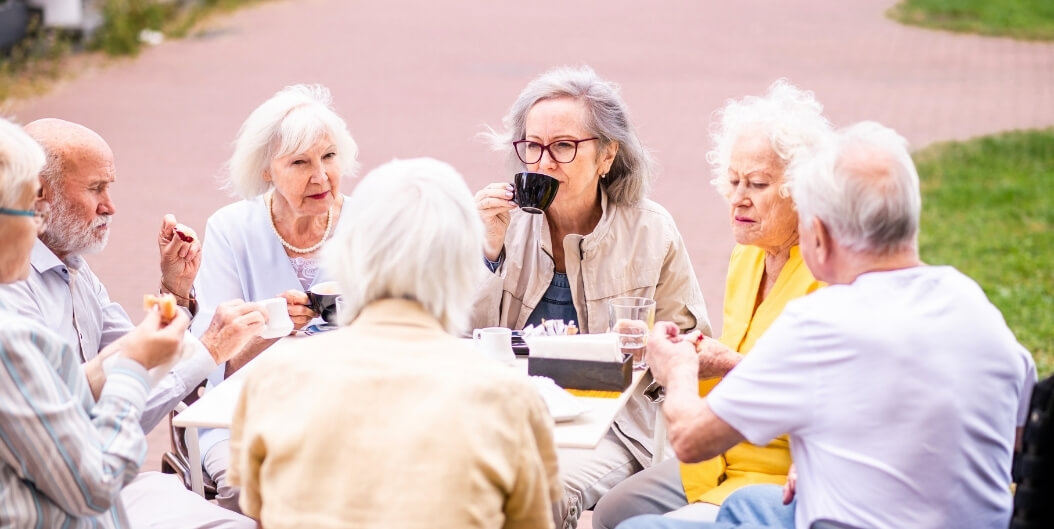
Having three meals a day in a communal dining room may appear simple, but it is one of the most effective social tools in any assisted living community. Sitting across from someone every morning, sharing a table for lunch, and chatting over dinner all contribute to a sense of familiarity that naturally develops into solid friendship.
You don’t need to be outgoing or make a big effort. Simply being in the same place, meeting the same people, and even making small talk is comfortable and establishes the foundation for connection. Before you know it, weeks and months pass, and the person you nod to at breakfast becomes someone you genuinely want to see.
There are Communal Spaces That Allow Organic Encounters
Lounges, gardens, game rooms, and gathering areas, in addition to the dining room, are common features of well-designed assisted living communities. These aren’t formal social settings. They’re relaxed environments where people can simply talk.
You could be sitting in the lounge with a book when someone asks what you are reading. Or, you walk through the garden with a neighbour. The most meaningful connections are frequently formed during these unplanned encounters.
What Activities Will Help Residents Get to Know Each Other Better?
Structured activities, in addition to casual encounters, provide a higher level of social opportunity. They give you an excuse to get together, a common topic to discuss, and a set date on the calendar to look forward to.
Common Interests and Group Activities
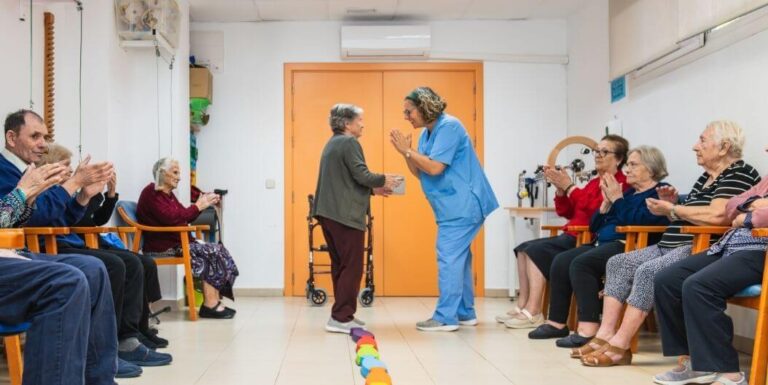
Most assisted living communities have an extensive calendar of activities that cater to a wide range of interests. Consider card games, arts and crafts nights, book clubs, puzzle groups, gardening clubs, exercise classes, and happy hours. All offer a natural environment for connecting and chatting.
The benefits of these activities include the removal of social barriers. You do not need to approach a stranger and strike up a conversation. The conversation continues as you sit down to play a card game. You sign up for a painting class, and before you know it, you’re laughing with another person about how your watercolour doesn’t look like the example. That shared experience is the foundation of true friendship. In standard senior living communities, full calendars of engaging events make it simple to find something to suit your pace and personality.
Special Events and Celebrations
Holidays, birthdays, themed parties, and seasonal celebrations add an extra layer of excitement and community. These events create shared memories, which serve as the foundation for deeper relationships. When the person across the table from you recalls the holiday party you attended last month, you have something to discuss, laugh about, and look forward to together.
How Does Friendship in Assisted Living Improve Overall Well-Being?
Social connection provides benefits that extend far beyond simply having someone to talk to. Friendships in assisted living can have a significant impact on physical health, mental sharpness, and emotional strength.
Older adults who remain socially engaged have healthier diets, more sleep, more physical activity, and higher levels of reported happiness. On the other hand, loneliness has been linked to an increased risk of depression and cognitive decline. When you’re surrounded by people who know your name, notice you even when you’re not at dinner, and genuinely enjoy your company, it makes a big difference in your well-being.
In an assisted living program designed for your entire life, the social environment is as important as the care services. Both are there to help you thrive.
But what if you’re shy or afraid to make friends?
It’s natural to be nervous about moving to a new location and meeting a whole community of strangers. However, keep in mind that almost everyone who moves to assisted living feels the same way at first.
1. It gets easier faster than you might think
Assisted living is structured, and you can work within it. You do not have to create social situations. They come to you. There are numerous low-pressure opportunities to participate during mealtimes, activities, and communal spaces. And because everyone else has gone through the same experience, there is an unspoken understanding that makes the transition easier.
This is also a quiet role for employees. They identify newcomers, match them with neighbours who share similar interests, and then encourage people to participate but not in a pushy manner. Even the most introverted individuals benefit from this type of assistance in finding their feet.
2. You don’t have to be the life of the party
You don’t need to be social all the time to make friends in assisted living. Some of the most powerful bonds form between two people who simply enjoy sitting together in comfortable silence, sharing a cup of coffee, or watching a movie. A good community understands that connection manifests differently for everyone.
Ready to Rediscover the Joy of Connection and Companionship? Learn More About Assisted Living at Bailey Pointe Miracle Hills
Friendship is a part of everyday life at Bailey Pointe Assisted Living in Miracle Hills. Our residents experience laughter, warmth, and genuine friendship daily, from sharing chef-prepared meals with neighbours to a busy calendar of events and activities. Schedule a tour of our Omaha community today to discover how senior living at Bailey Pointe can reconnect you with the joy of living.